Developmental Milestones: A PT’s Guide to Gross Motor Skills
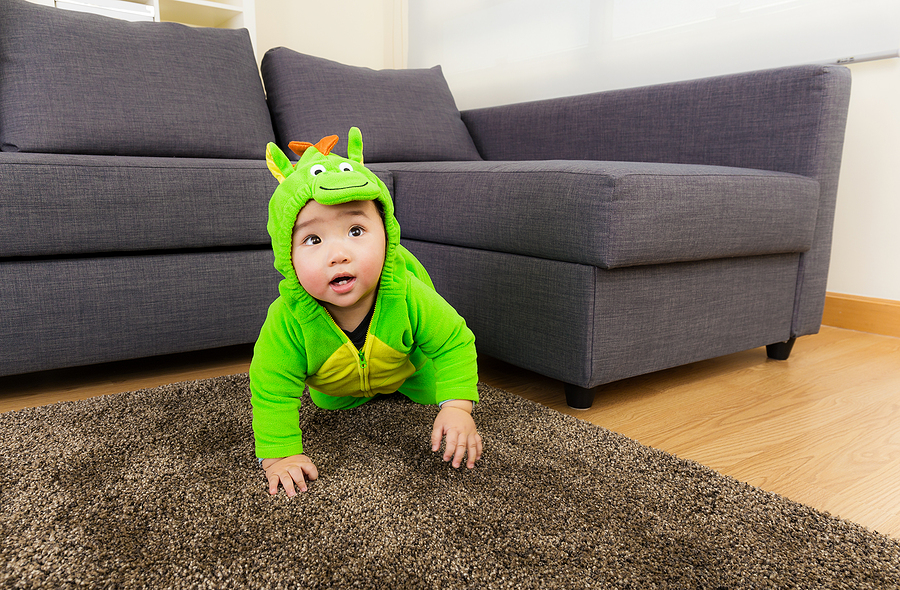
Before a child can run across the playground or climb the stairs, they need a strong foundation of strength, balance, and coordination. At RISE Pediatric Therapies, our physical therapists call these big-body movements gross motor skills, and each new one your child reaches is a gross motor milestone. For parents of babies and toddlers, especially those navigating low muscle tone or developmental delays, understanding these movement milestones is a powerful step in supporting your child’s growth.
What Are Gross Motor Skills?
Gross motor skills are the movements that use the large muscles of the arms, legs, and core. They rely on core strength, balance, coordination, and body awareness. These skills also give children the stable base they need for fine motor tasks like writing, which we covered in our OT’s guide to pre-writing skills.
Here’s what gross motor milestones typically look like by age:
- Birth to 3 Months: Babies lift their head during tummy time and kick and wiggle both arms and legs.
- 4 to 6 Months: Babies hold their head steady, push up onto their forearms during tummy time, start rolling, and sit with support.
- 7 to 12 Months: Babies sit on their own and begin to crawl or scoot. Many pull up to stand, cruise along furniture, and take first steps around their first birthday.
- 12 to 24 Months: Toddlers walk on their own, climb on and off the couch, walk up stairs with a hand to hold, begin to run, and kick a ball.
- 2 to 3 Years: Children jump off the ground with both feet and can walk a few steps along a line or curb.
- 3 to 5 Years: Preschoolers catch a large ball, pedal a bike with training wheels, walk up and down stairs alternating feet, and hop on one foot.
Every child moves at their own pace, and milestones can look different for neurodivergent children. For a more detailed checklist, visit our movement milestones guide.
Supporting Gross Motor Milestones at Home
If your child gets frustrated during tummy time, avoids climbing, or tires quickly during active play, structured exercises can feel like a chore. Instead, build strength and balance through playful, everyday activities:
- Make Tummy Time Fun: Get down face-to-face or place a favorite toy just out of reach. Short, frequent sessions build the neck, shoulder, and core strength needed for rolling and crawling.
- Try Animal Walks: Bear crawls, frog jumps, and crab walks build strength, balance, and coordination. Bonus points for animal sounds!
- Pop Bubbles: Blow bubbles high and low so your child reaches, squats, rises onto tiptoes, and jumps to pop them. It’s an easy way to build balance and leg strength.
Looking for more ideas? Our Arizona team shared 5 easy ways to encourage gross motor skills. Once your child starts walking, check out our therapist-recommended shoes and walkers, too.
How Outdoor Play Builds Strong Movers
The great outdoors is a natural gym for growing bodies! Uneven ground and playground equipment challenge balance in ways that are hard to recreate indoors.
Here are a few fun outdoor activities to try with your child:
- Exploring Uneven Ground: Walking on grass, sand, or gentle hills strengthens the ankles and core with every step.
- Walking a Curb: Hold your child’s hand as they walk along a curb, a low log, or a chalk line. This builds the balance they’ll need for the walking-on-a-line milestone around age 2 to 3.
- Sidewalk Chalk Hopscotch: Jumping with two feet, then hopping on one, builds leg strength and single-leg balance for preschoolers.
How Physical Therapy Can Help
If your child isn’t rolling, sitting, crawling, or walking by the expected ages, seems unusually floppy or stiff, trips and falls often, or favors one side of the body, specialized pediatric therapy can help. Through customized, play-based pediatric physical therapy, therapists build strength, balance, and coordination to close developmental gaps.
In Arizona, our physical therapists support families through in-home early intervention and at our therapy clinics in Mesa and Surprise. If you’re in Idaho or Florida, our pediatric therapy teams can talk through your concerns and help you find the right next step. Contact RISE Pediatric Therapies today to schedule a comprehensive evaluation and discover how we can help your child thrive!