Occupational Therapy

Developmental Milestones: An OT’s Guide to Pre-Writing Skills

Before a child can write their name, hold a pencil, or draw a simple picture, they must build a strong foundation of underlying motor patterns. At RISE Pediatric Therapies, we refer to these vital building blocks as pre-writing skills. For parents of toddlers and preschoolers, especially those navigating additional sensory and motor needs, behavioral challenges, or speech delays, understanding these physical milestones is a powerful step in supporting your little one’s daily growth.

What Are Pre-Writing Skills?

Pre-writing skills are the fundamental motor patterns that prepare a child’s hands, fingers, and body for the physical demands of writing. They rely on core stability, hand strength, hand-eye coordination, and visual-spatial awareness.

Here is what pre-writing milestones typically look like by age:

  • 12 to 18 Months: Toddlers typically make spontaneous scribbles on paper, often securing a thick crayon with a full-fist palmar grasp.
  • 19 to 24 Months: Children begin to imitate simple, single strokes. They may try copying a vertical line, a horizontal line, or a circular motion after watching an adult do it first.
  • 2.5 to 3 Years: Toddlers transition from imitating to accurately copying basic shapes. At this stage, they can reliably replicate vertical lines, horizontal lines, and independent circles.
  • 4 to 5 Years: Preschoolers begin to refine their grip and to copy complex intersecting lines, including crosses, squares, and diagonal strokes (such as an “X”). This is also the ideal time to practice the letter shapes in their own name.

Supporting Pre-Writing at Home

If your child struggles with task focus, has sensory sensitivities, or faces motor coordination delays, tracing worksheets can feel frustrating. Instead, focus on building hand strength and shoulder stability through playful, engaging activities:

  • Manipulate Playdough: Pinching, rolling, and squeezing clay builds the tiny, intrinsic muscles of the hand.
  • Utilize Vertical Surfaces: Taping paper to a wall or using an easel naturally encourages optimal wrist extension and builds shoulder strength.
  • Introduce Pincer Games: Encourage your child to use kitchen tongs or large tweezers to pick up pom-poms, small toys, leaves, or sticks.

How Nature Play Prepares Hands for Writing

You don’t need to be indoors to practice fine motor skills. In fact, the great outdoors is one of the best therapy spaces available! Nature play naturally builds the large shoulder muscles, core stability, and hand strength required for later pencil control.

Here are a few fun outdoor activities to try with your child:

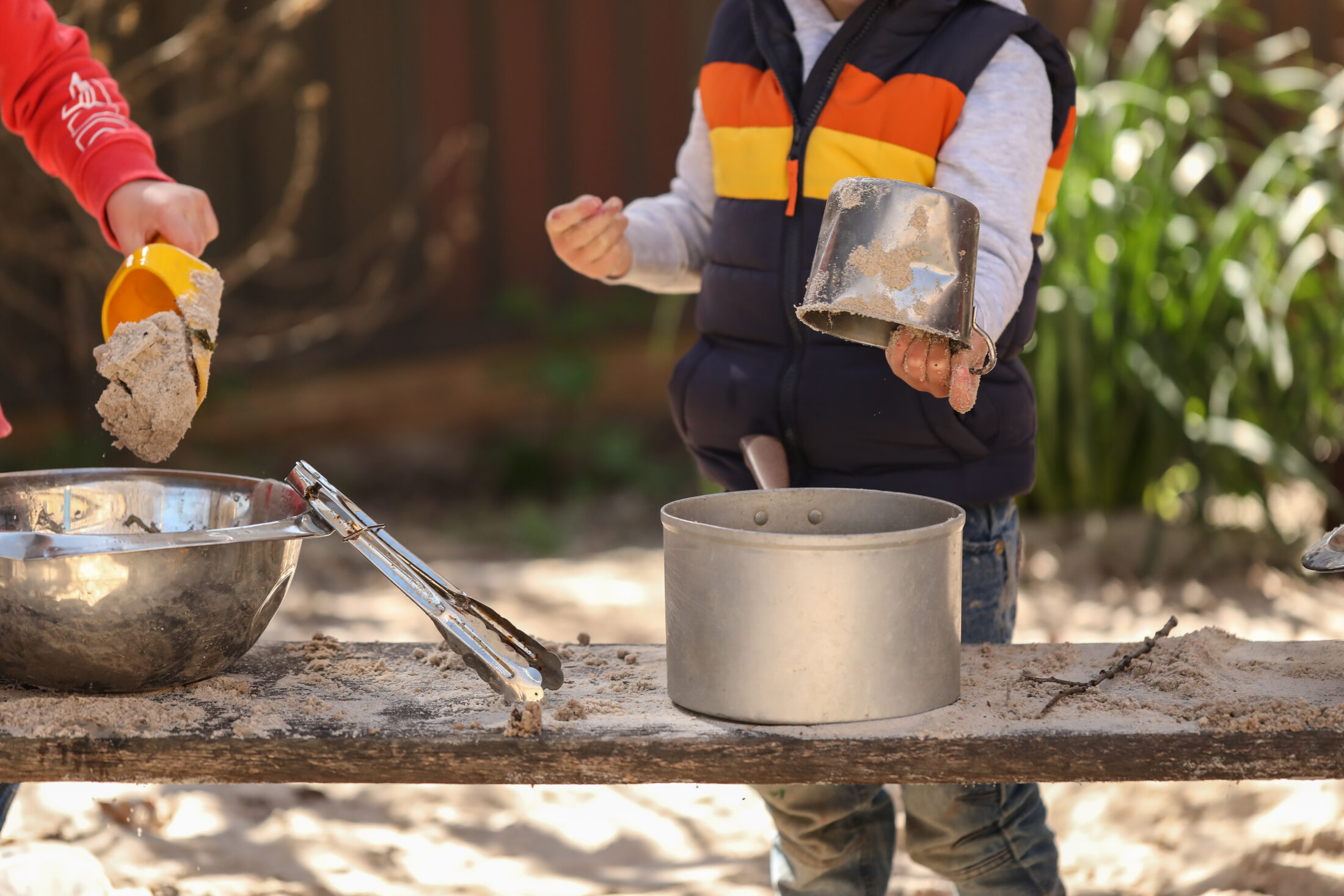
  • Digging in the Dirt: Scooping, lifting, and moving dirt or mud with shovels, trowels, or small rakes builds hand strength and wrist stability.
  • Drawing with Sticks: Grab a thick stick and practice drawing large shapes, lines, or circles in the dirt, sand, or mud. This gross-motor movement lays the neurological groundwork for fine-motor writing later on.
  • Spray Bottle “Painting”: Fill a standard spray bottle with water and let your child “paint” tree trunks, rocks, or a fence. Squeezing the trigger is one of the absolute best ways to isolate and strengthen the index and middle fingers, which are crucial for developing a proper pencil grip.

How Occupational Therapy Can Help

If your child actively avoids tabletop activities, struggles to hold writing utensils, or displays intense frustration during fine motor play, specialized pediatric therapy can help. Through customized, play-based pediatric OT services, therapists address foundational deficits to close developmental gaps.

Whether you are located in Arizona, Idaho, or Florida, our dedicated team is here to support your child’s unique journey. Contact RISE Pediatric Therapies today to schedule a comprehensive evaluation and discover how we can help your child thrive!

camden-rpthub

Recent Posts

Beyond the Brush: Therapist-Recommended Tools for Oral Health & Sensory Success

Welcome to the final installment of our three-part series on therapist-recommended tools! We’ve already covered…

3 months ago

12 Therapist-Recommended Mealtime Tools for Toddler Success

Mealtime is about more than just nutrition; it is a vital time for sensory exploration,…

6 months ago

Kids First Steps: Therapist-Recommended Shoes and Walkers

As young children begin to reach developmental milestones, such as learning to walk, choosing the…
10 months ago